
Once, when Goddess Parvatiji went to take a bath, she used ‘Ubtan’ (paste made of turmeric powder, sandalwood, and various herbs) to create a human form of which Lord Ganesh was born.
Once he was created, he was asked to guard the doors while Parvatiji finished her bath. Lord Shiva had then returned from his tapasya (austerity) and Lord Ganesha not knowing who he was, stopped him from entering.
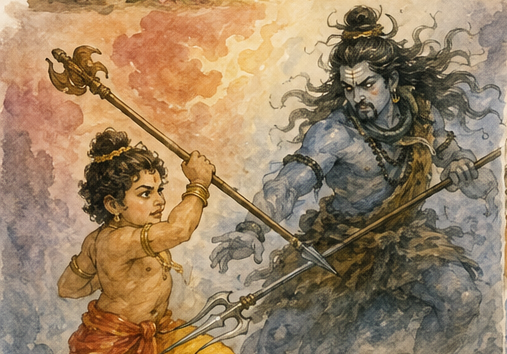
Lord Shiva and Ganesh had a battle where Shiva cut off the head of Ganesh. When Goddess Parvati came out, she was furious. To calm her down, Lord Shiva promised her that Ganesh would live again. For that, Shiva asked all of the Devtas to begin hunting for a head facing north. However, after looking for a long time, they could only find the head of an elephant. Lord Shiva fixed the elephant’s head on the child thus bringing him back to life.
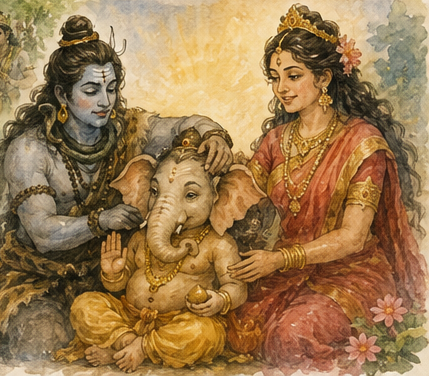
After the rebirth of Lord Ganesh, Shiva blessed him with a boon stating that he would be worshipped before starting any important work. He is worshipped first so that he can destroy any upcoming obstacles.
It is also said that Lord Ganesh was created by Shiva and Parvati on request of the Devtas to be a Vighnakarta (obstacle-creator) for the rakshas (demons), and a Vighnaharta (obstacle-averter) for the Devtas.
Ganesh Chaturthi, marking the rebirth and regeneration of Lord Ganesh, begins on Bhadarva Sud 4, also known as Vinayaka Chaturthi, which is traditionally celebrated for 10 days for pleasing the God of removing obstacles. At the start of the festival, murtis of Ganesh made from clay (which makes them eco-friendly) are placed on decorated platforms in homes and temples. The worship begins with the pran-pratishtha followed by shodashopchar pujan.
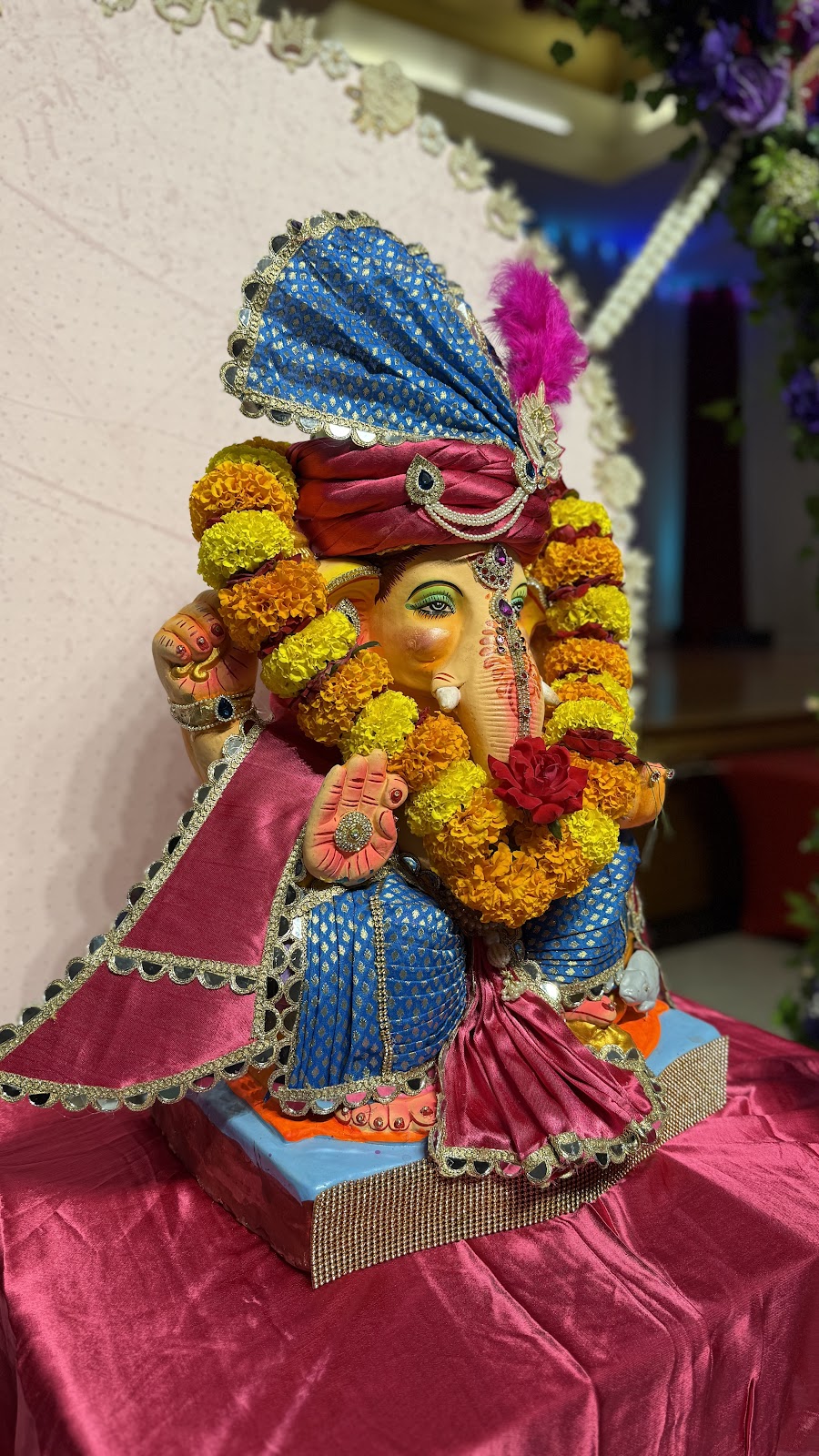
After chanting prayers, the Ganesh murtis are covered with red sandalwood paste, yellow and red flowers, and then offered coconut, jaggery, and 21 modaks/ladoos (sweet dumplings), which is considered to be Lord Ganesh’s favorite food. One can keep Lord Ganesh’s idol for 1.5 days, 3 days, 5 days, 7 days, 10 days, or 21 days before visarjan on Bhadarva Sud 14 (Anant Chaturdashi).
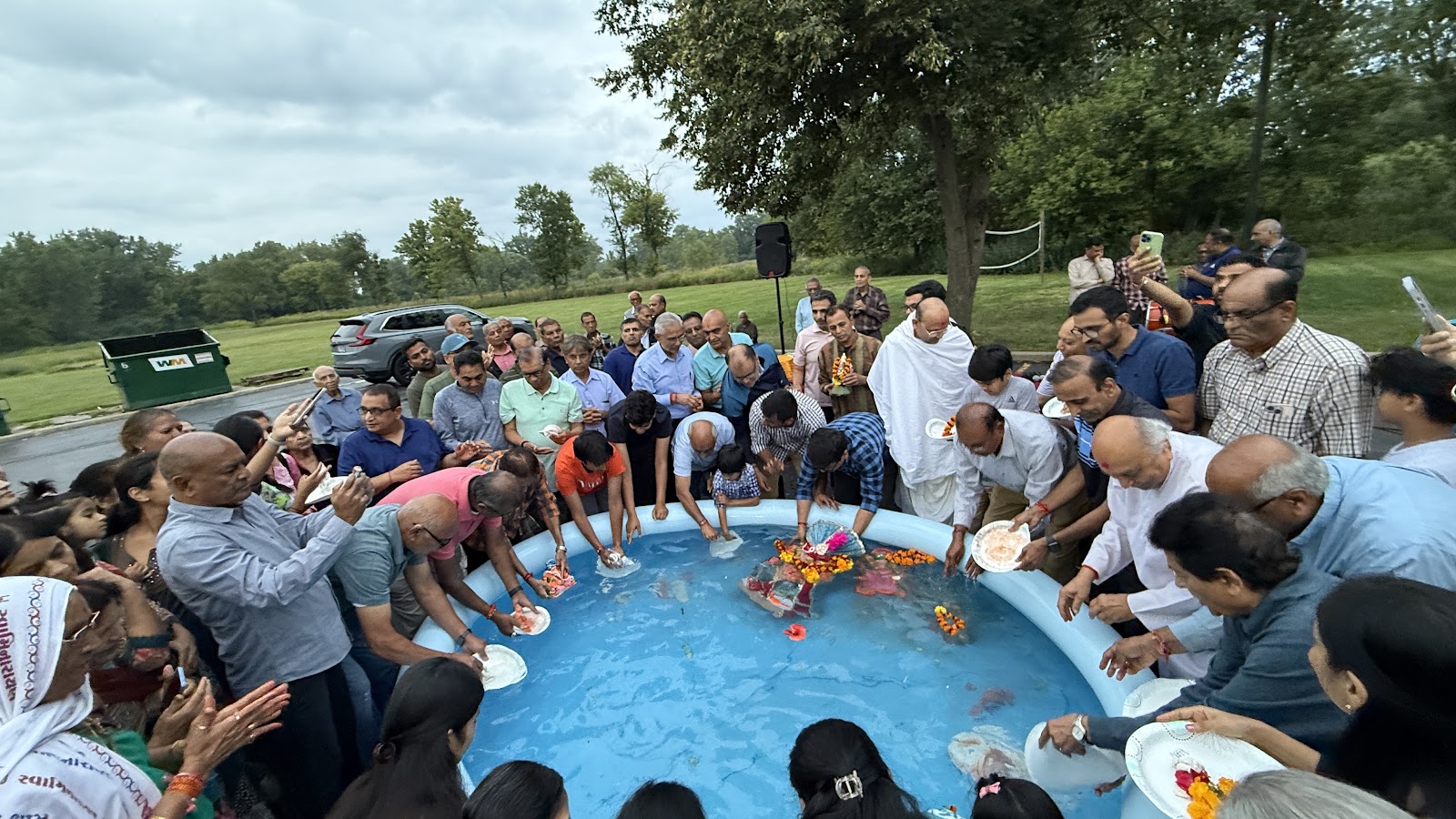
At the end of the festival, the murtis are carried to local rivers with a huge celebration, accompanied by drums, singing, and dancing. There they are submerged into the river which is also known as Ganesh Visarjan so that Lord Ganesh can make his journey back home to Mount Kailash to his parents, Lord Shiva and Mata Parvati.
Lord Ganesha also has 108 different names. Some of them are: Ekadanta
(single-tusked), Gajanana (one who had an elephant head), Ganpati (Lord of the Lords), and Siddhivinayak (Bestower of success).