

Conflict in Khokara and Mahemdavad
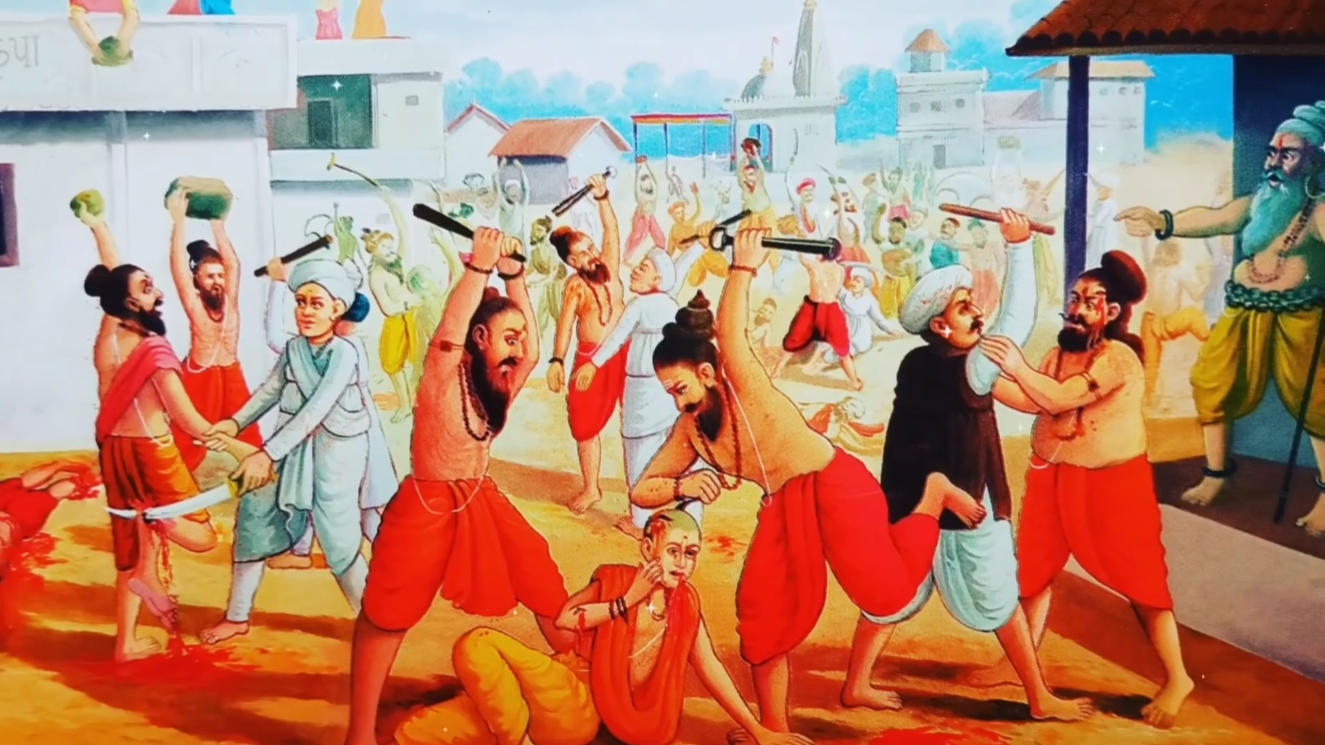
In V.S. 1866, Shreeji Maharaj was staying in the regions of Khokara and Mahemdavad. As was the tradition, He sent His group of santo into the village to ask for joli (alms). While the saints were peacefully performing their duties, they were confronted by the disciples of a local ascetic named Lolangar Bava.
The disciples, filled with hostility, accused the Swaminarayan santo of spreading “false religion” (pakhand dharma). They began beating the saints and hurling insults at them. In the midst of this aggression, only one elderly vairagi (ascetic) of good nature stepped forward and convinced the “demonic” disciples to release the saints.
Maharaj’s Compassionate Command
The santo returned to Shreeji Maharaj and narrated the incident. Hearing of their suffering, Maharaj’s heart grew heavy with concern for their safety. He decided that the santo should move to Surat, which was then under British rule, as the law and order there would provide a safer environment for satsang.
The saints were crestfallen. “Surat is so far,” they pleaded. “We do not mind the distance, but how can we live so far away without your darshan?”
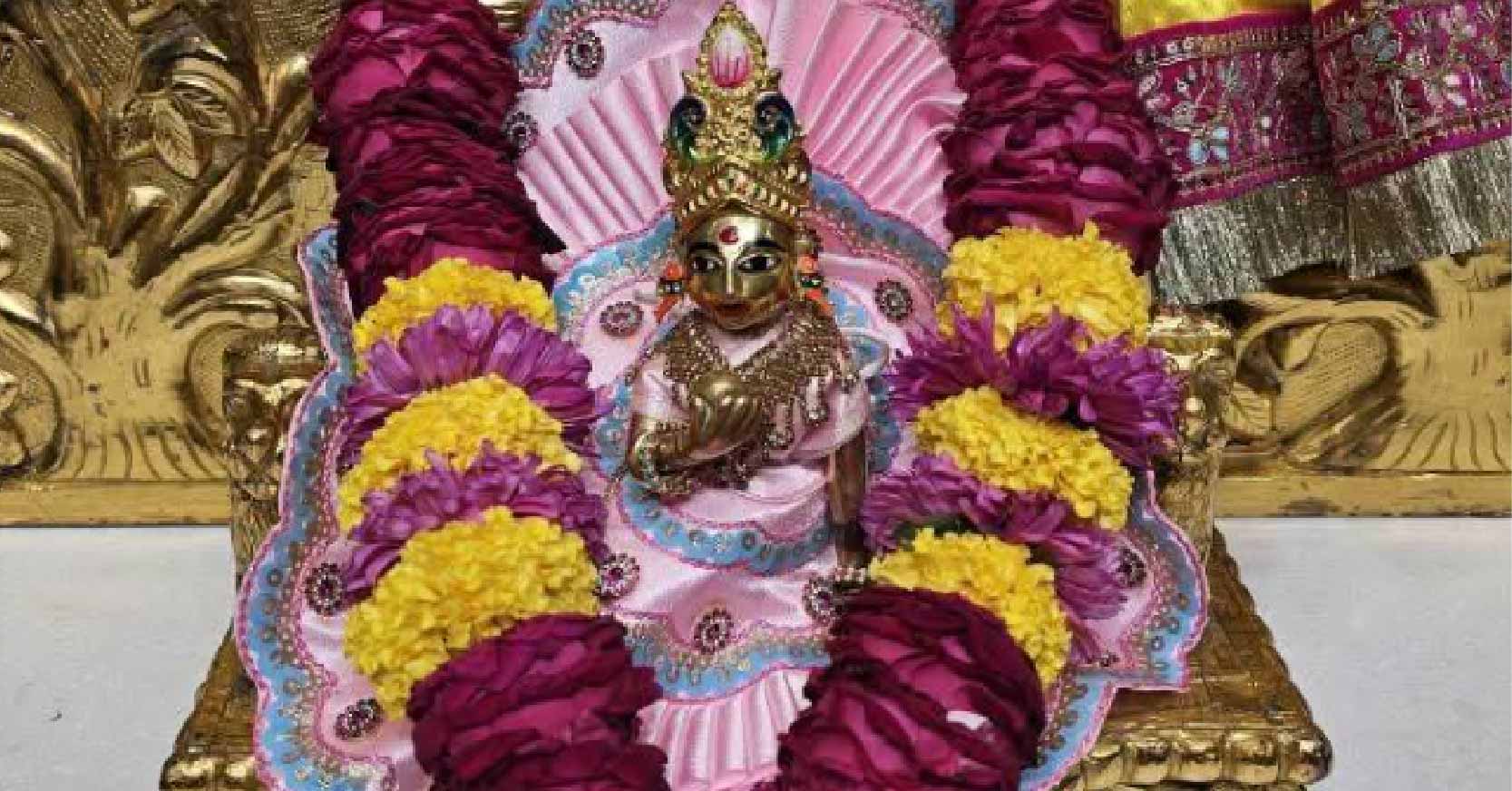
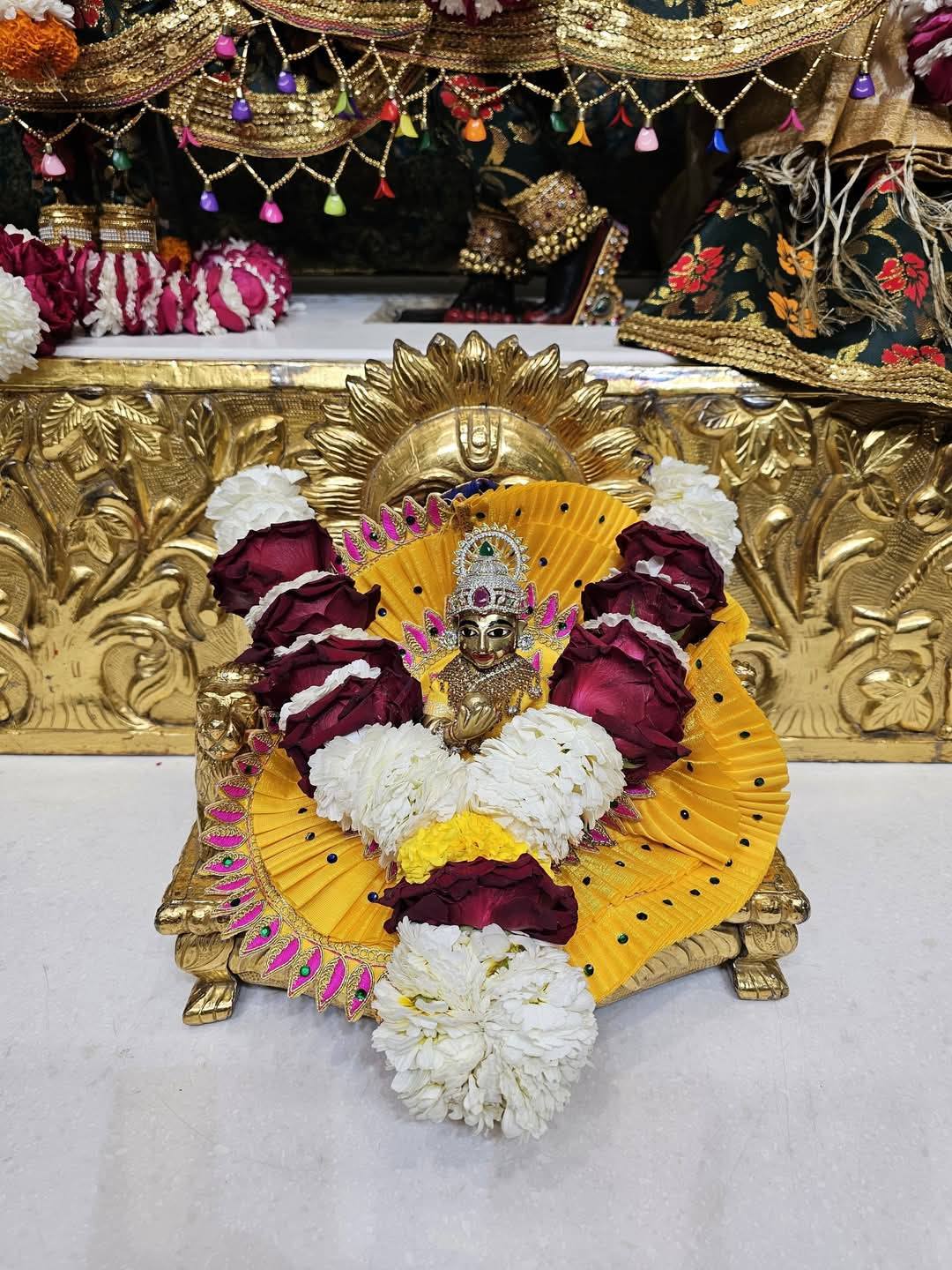
Touching their hearts with grace, Maharaj presented them with a beautiful murti of Lalji Maharaj. He gave them a divine assurance:
“Whatever happiness you derive from My personal darshan and pujan, you shall receive the exact same bliss from the darshan and pujan of this Lalji.”
He further prophesied that the glory of this murti would spread immensely throughout the region and beyond.
Arrival at the Veni Vav
A massive group of 400 santo—including the likes of Muktanand Swami, Nishkulanand Swami, Gunatitanand Swami, and Vyapkanand Swami—set out for the southern coast. Upon reaching Surat, they first took up residence at the Veni Vav (a stepwell) on the banks of the Tapi River in the Sayedpura area, located just west of where the Rampura Mandir stands today.
The Legend of the Haunted House
The santo informed the local devotees—Ichhabhai, Ardesharbhai, Bhaichand Sheth, and Laxmichand Sheth—that Maharaj wished for the Lalji murti to be established in a place suitable for regular darshan and katha-varta.
The devotees suggested a specific building but warned of a terrifying obstacle: the building was infested with ghosts. Bhalchandra Sheth narrated the tragic history to Muktanand Swami:
“Years ago, a Sutar family lived there. While returning from a wedding in Ghoga, a massive storm struck, and their vehicle was lost to the water. The family perished, but their souls, bound by worldly desires (vasna), became ghosts in their former home. They harass anyone who ventures out at night. Even the British tried to clear the building but failed; they have now offered to sell the property cheaply to anyone who can rid it of the spirits.”
The Deliverance of the Spirits
Undeterred, Muktanand Swami said, “By the grace of Bhagwan Swaminarayan, those ghosts cannot harm us.” He instructed Bhalchandra Sheth to go and finalize the paperwork with the British authorities.
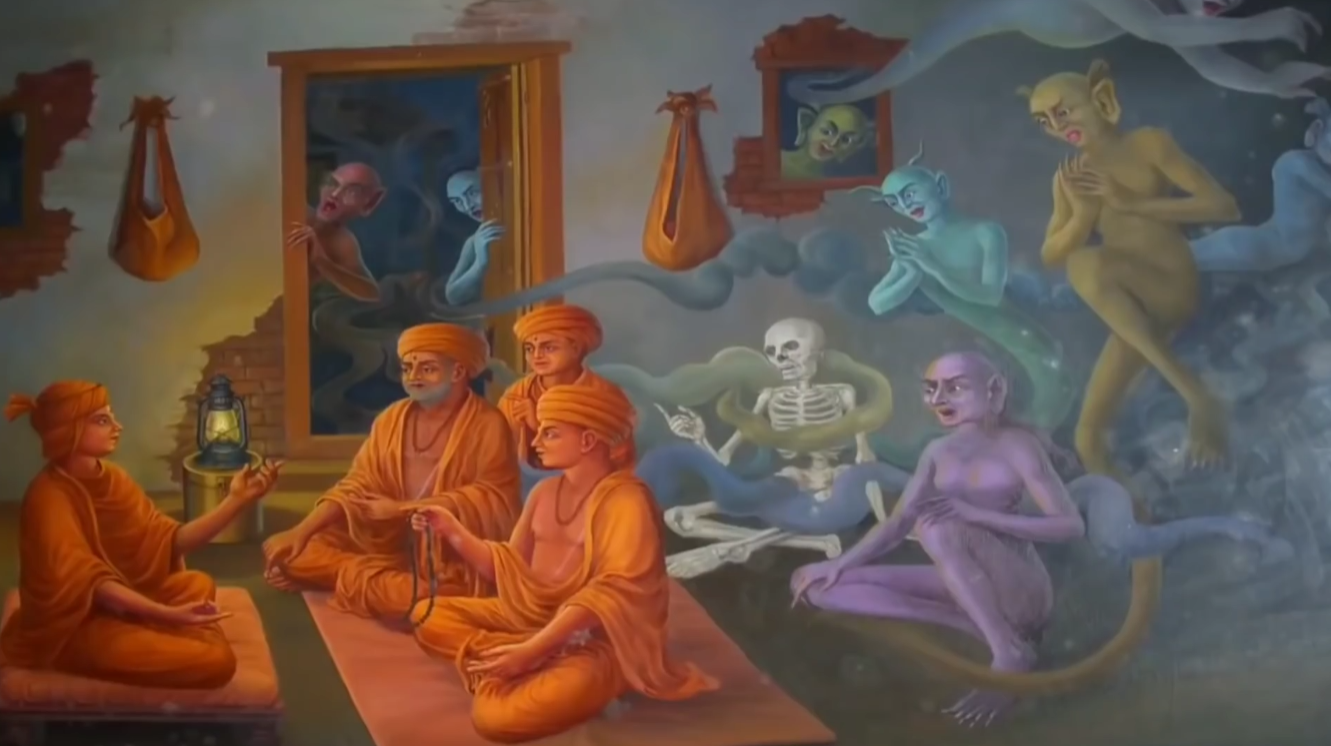
The santo and devotees marched into the haunted house, loudly chanting the Swaminarayan Mahamantra. The power of the dhun was so intense that the ghosts retreated to the corners of the building, crying out, “It burns! It burns!”
Muktanand Swami, known as the “Mother of Satsang” for his deep compassion, approached the spirits and asked who they were. One ghost pleaded, “We are in dire pain. Please, help us!”
Swami took the Prasadi Jal (holy water) that had been offered to the Lalji Maharaj murti and sprinkled it upon them. He gave them a final command:
“Go to Badrikashram, perform penance, and ultimately attain the abode of Bhagwan.”
Through this act of mercy, the ghosts were liberated from their suffering.
Establishment of the Hari Mandir
With the spirits gone, the devotees renovated the building. A beautiful sinhasan (throne) was prepared, and the Lalji Maharaj murti was officially established with great festivity.
Today, the site where that haunted house once stood is the very location of the Sabha Mandap of the Surat Rampura Mandir, serving as a testament to the fact that wherever Bhagwan and His santo reside, all darkness and fear must vanish.